
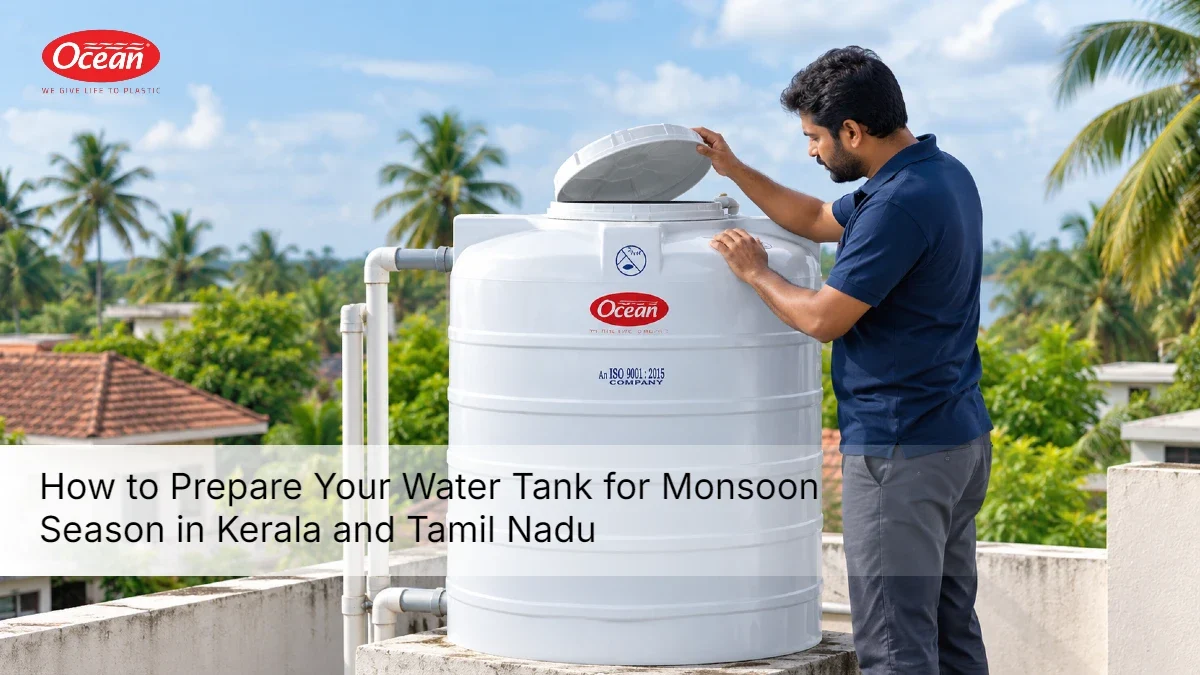
For most households across Kerala and Tamil Nadu, the monsoon is as much a part of the year as any festival. The rains fill wells, rivers, and reservoirs, and bring welcome relief after weeks of heat. Yet while families are busy monsoon-proofing their roofs, drains, and vehicles, the water tank sitting quietly on the terrace or buried in the yard rarely gets a second thought until something goes wrong. Water tank maintenance before monsoon is one of the simplest habits a home can build, and it makes a genuine difference to the safety of the water your family drinks, cooks with, and bathes in throughout the wettest months of the year.
Why the Monsoon Puts Extra Pressure on Your Water Tank
Heavy rain does more than simply top up a water tank. Prolonged humidity and damp conditions create ideal growing conditions for algae and moss on a tank’s outer surface, especially on older tanks with rough or cracked exteriors. The constant swing between hot, sticky afternoons and cool, wet evenings can also affect poorly constructed tanks over time, causing seams to weaken or lids to warp slightly out of shape. Add to this the leaves, dust, and debris that strong wind and rain wash across rooftops and courtyards, and it becomes clear why lids, overflow pipes, and inlet points deserve a closer look before the clouds gather. A tank that has performed perfectly well all year can develop problems within a single monsoon season if it has not been checked and cleaned beforehand.
A Pre-Monsoon Checklist for Every Home
A little preparation before the rains arrive goes a long way toward avoiding bigger problems later. The checks below take under an hour for most households and are worth repeating every year, ideally a few weeks before the monsoon is due.
Inspect the Lid and Cover
Check that the tank’s lid fits snugly and shows no cracks or gaps. A loose or damaged cover allows rainwater carrying dust, leaves, and insects to enter the tank, and it also creates the kind of standing water where mosquitoes like to breed. It is generally better to replace a worn cover than to patch it, since a secure fit is the single most effective barrier against contamination.
Check the Overflow and Inlet Pipes
Overflow pipes should be examined for blockages caused by leaves, silt, or nesting insects, since a blocked pipe can force water to back up or spill in ways that leave damp patches near the tank’s base. Inlet connections are worth checking for leaks or loose fittings too, as these are more likely to appear once heavy rain adds extra pressure to the plumbing system.
Examine the Tank Stand or Platform
For overhead tanks, the supporting stand or platform should be stable, level, and free of rust or visible cracks. Strong winds and waterlogging during the monsoon can worsen any existing weaknesses, so it is worth tightening loose fittings and confirming the base can safely bear the tank’s full weight once it is filled.
Clean and Disinfect Before the Rains Begin
A thorough clean before monsoon clears out sediment, dust, and any bacterial build-up that has gathered since the last wash. Draining the tank fully, scrubbing the interior surfaces, and rinsing until the water runs clear gives your household a genuinely fresh start heading into the wettest months of the year.
What to Watch For Once the Rains Begin
Even a well-prepared tank benefits from a little attention once the monsoon sets in properly. Watch for water that looks cloudy, carries an unusual smell, or leaves a film on containers after filling, as these can be early signs that rainwater or debris has found a way in. Green or slimy patches forming on the tank’s outer wall usually point to algae encouraged by the damp conditions, and are worth cleaning off promptly before they spread further. After spells of particularly heavy rain, it is also worth glancing at the ground around the tank’s base for pooling water, which can hint at an overflow issue that needs attention before it damages the stand or the surrounding structure.
Choosing a Water Tank Built for Kerala’s Climate
The material and construction of a water tank matter just as much as how well it is maintained. Tanks made from food-grade, UV-stabilised material handle Kerala and Tamil Nadu’s combination of intense sun, high humidity, and heavy seasonal rain far better than lower-grade alternatives, without becoming brittle, discoloured, or prone to cracking. Seamless, multi-layer construction also reduces the number of joints and seams where dirt and moisture can collect, which matters a great deal once the rains set in.
Ocean Group has manufactured water tanks and polymer storage solutions from its Kerala facility for more than 27 years, using one hundred per cent virgin, food-grade raw material and advanced roto-moulding technology. Every tank is ISI-certified, and the range runs from overhead and underground tanks to loft, capsule, and vertical sump designs, alongside steel and stainless steel options, so households, apartments, and institutions across South India can choose a design suited to their available space and local climate. This track record, built on more than 1,000 customers across Kerala, Tamil Nadu, and Karnataka, is one reason a little seasonal care goes such a long way.
After the Rains: Post-Monsoon Care
Once the heaviest rains ease off, give the tank another clean to clear out any sediment or organic matter that has built up over the season. This is also a sensible moment to recheck the lid, overflow pipe, and stand, since fittings can work themselves loose after months of continuous exposure to wind and rain. A short inspection now means the tank is ready to perform reliably through the drier months ahead, rather than quietly carrying hidden problems into next year’s monsoon.
A Simple Habit That Protects Your Family’s Water
Water tank maintenance before monsoon does not need to be complicated or time-consuming. A yearly check of the lid, pipes, stand, and interior, paired with a little attention during and after the rains, is generally enough to keep household water clean and safe through the wettest part of the year. For homes and institutions that would rather leave the details to specialists, Ocean Group’s installation and after-sales support teams are on hand across Kerala and Tamil Nadu to help choose the right tank and keep it performing well, monsoon after monsoon.
FAQ’S
-
Why does a water tank need extra care during the monsoon season?
Heavy rain raises humidity, encourages algae growth on tank exteriors, and increases the risk of dust or insects entering through a loose lid or damaged overflow pipe, so a little extra vigilance during this period helps keep stored water safe.
-
How often should I clean my water tank before monsoon arrives?
Most homes benefit from a full clean and disinfection once just before the monsoon begins, another light clean once the heaviest rains ease, and a general check every three to four months in between.
-
What causes green or slimy growth on the outside of a water tank?
Prolonged exposure to moisture and sunlight encourages algae and moss to form on a tank’s surface. UV-stabilised, seamless construction considerably reduces this risk compared with tanks that have rough patches or ageing exteriors.
-
Can rainwater get into a covered water tank?
A tightly fitted, well-maintained lid should keep rainwater and debris out, but cracked covers, loose overflow pipes, or gaps around the inlet can let contaminants in, which is why these points are worth checking before the season starts.
-
Are plastic water tanks reliable during Kerala and Tamil Nadu’s heavy rains?
Yes. Food-grade, UV-stabilised, multi-layer plastic tanks are designed to withstand humidity, temperature changes, and heavy rainfall without cracking or leaching, making them a dependable choice for the region’s monsoon climate.